
Health
How Poor Sleep Affects Your Body, Mood And Long-Term Health

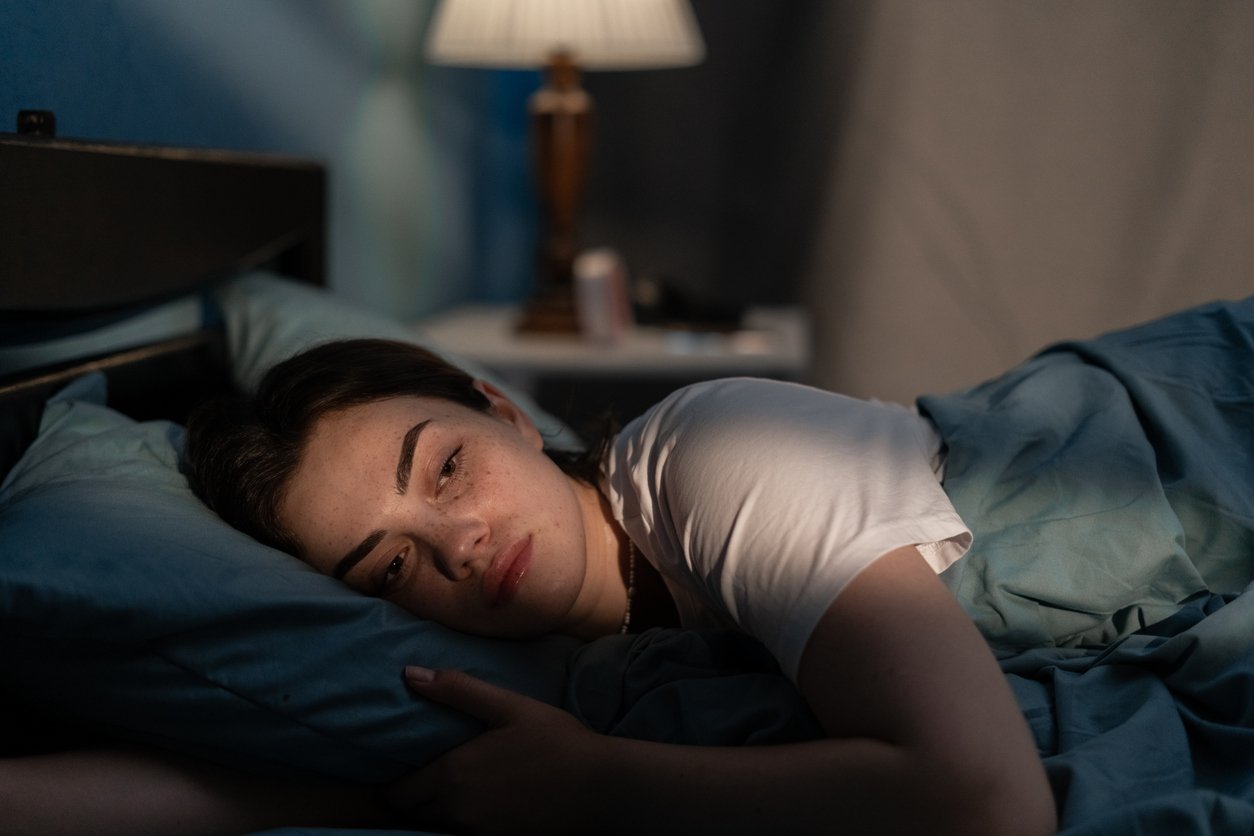
When life gets busy, sleep is frequently one of the first things to go. Stress, entertainment or an erratic schedule, browsing on a phone or working late at nite can all take a toll on the quantity of rest we get. Yet sleep is not a simple time when the body just goes off. This is an active biological process that supports the brain, heart, immune system, metabolism and emotional wellness. It is just as vital to know the foundations of sleep while studying treatment information or other health-related issues because overall living choices can influence general wellbeing. Along with safe and reliable drugs and health information, constantly consider healthy daily routines including getting enough quality sleep.
What Happens When You Do Not Get Enough Sleep?
Poor sleep can include not sleeping enough hours, waking up a lot throughout the night, having trouble going to sleep, or waking up unrefreshed. Most individuals require roughly 7 to 9 hours of sleep, however some people require more or less.
Losing sleep one night or another may leave you feeling exhausted the next day, but regularly poor sleep might have bigger implications. The brain and body need regular sleep to be able to repair energy, regulate vital biological processes, process information and prepare for the next day.
1. Poor Sleep Can Affect Your Brain
The first area you might see the effects of lack of sleep is in your brain.
It can be harder to concentrate on work or study after a bad night’s sleep. You may find yourself forgetting simple things, taking longer to do things or having trouble making decisions. Reaction time can also get slower.
Sleep is critical for memory and learning. Sleep helps the brain sort and store information taken in during the day. If sleep is frequently disturbed or reduced these processes can be hampered.
That’s one reason why burning the midnight oil doesn’t necessarily lead to greater success at work or school. A rested brain is usually more open to attention, problem-solving, learning and decision-making.
2. Your Mood May Change
Ever notice how everything is more annoying after a bad night’s sleep? And there’s a reason for it.
Those who don’t get enough sleep tend to be more irritable, emotionally sensitive and easily frustrated. “It may be harder to be patient and small problems may seem harder to manage.”
Over time, chronic sleep issues have also been linked to melancholy, anxiety and mental distress. Sleep and mental health are cyclical in their impact on each other, as poor sleep can contribute to mood and stress, and emotional troubles can in turn make it harder to sleep.
Improving sleep is not a substitute for expert treatment of a mental health illness, but a healthy sleep habit can be an important aspect of overall wellbeing.
3. Poor Sleep Can Affect Your Heart
Getting enough good sleep regularly is also good for your heart and blood vessels.
Getting regular sleep helps the body make changes that are good for the heart and blood vessels. Previous studies have shown that lack of sleep and persistent sleep disorders are connected with higher blood pressure and increased risk of cardiovascular illnesses.
Research and public-health advice also links poor sleep to things like heart disease and stroke.
That doesn’t mean one poor nite is going to harm your heart. The bigger issue is a chronic pattern of poor or insufficient sleep across months and years.
4. Sleep Can Influence Weight and Appetite
Sleep is also related to metabolism and appetite.
When you’re tired, you will be much more likely to choose available, high-calorie objects or to overlook beneficial conduct. Sleep deprivation can disrupt hormones that have an effect on starvation and fullness, which can also grow the urge for food.
Long term poor sleep has been connected with overweight and obesity . Researchers have also uncovered links between sleep length and metabolic health, including risk of type 2 diabetes.
So it’s not only diet and exercise that maintain a healthy weight. Another crucial part of the lifestyle equation is consistent sleep.
5. Your Immune System Needs Sleep
Sleep also helps the body fight sickness.
While you sleep , your body is going through processes that help your immunological function and physical recuperation . If you’re not getting enough sleep regularly, your body might not be able to protect itself as well as it should.
You may see this in action when a string of bad nites of sleep leaves you feeling drained and less resilient. Thus, adequate sleep is one of the easiest habits to promote overall health together with proper nutrition and frequent physical activity.
6. Poor Sleep Can Affect Blood Sugar Regulation
Sleep also affects how the body responds to insulin and regulates blood glucose.
Over time, sleep deficit has been linked to altered regulation of blood glucose and increased risk for type 2 diabetes. The relationship is complex as sleep, physical activity, diet, body weight, stress and current medical disorders can all affect metabolic health.
This is another reason why sleep should be thought of as part of a comprehensive health plan, not a lifestyle luxury.
7. Your Daily Performance Can Suffer
Poor sleep doesn’t just harm health in the distant future. It can affect what happens the next day.
If you don’t get enough sleep, you could react more slowly, be less attentive, have trouble focusing and make more mistakes. These effects can be especially problematic when you are driving, running machinery, working in high stress situations, or doing other duties that require sustained focus.
Losing just an hour or two of sleep on a regular basis might slowly impair how you operate during the day.
8. Sleep Supports Physical Recovery
Sleep is the time your body repairs and restores itself.
Sleep is important for tissue repair, hormone balance, muscle recovery and overall physical functioning. This is particularly crucial for persons who exercise often, work in physically demanding jobs or who are recovering from everyday physical stress.
Good sleep, therefore, can be a supplement to healthy food and physical activity. Working hard in the day and repeatedly ignoring sleep could make it tougher for your body to recuperate adequately.
9. Poor Sleep Can Become a Long-Term Health Problem
The biggest fear might not be one nite of sleeplessness. It is when bad sleep becomes a regular pattern.
High blood pressure, cardiovascular disease, obesity, diabetes, emotional disorders and reduced daytime functioning have all been linked to chronic sleep deficit.
But there are numerous causes of sleep disorders. Sleep can be disrupted by stress, drugs, lifestyle habits, pain, anxiety, sleep apnoea and other medical disorders. If sleep problems persist even after you improve your routine, it’s crucial to talk to a health care expert.
Simple Ways To Improve Sleep
Better sleep doesn’t have to be hard. Begin with good habits:
- Get up and go to bed at around the same time every day.
- Keep your bedroom dark, quiet and comfy.
- Cut back on screen time before bed on phones, computers and other devices.
- Caffeine might affect your sleep, so avoid it later in the day if you can.
- Do regular physical activity, but avoid strenuous exercise right before bed if it keeps you awake.
- Avoid big meals in the evening.
- Let in natural light during the day.
- Create a soothing pre-bed ritual.
- Allow yourself plenty of time in bed to get enough sleep.
The CDC also suggests adopting a regular sleep pattern, obtaining exercise and natural light and keeping the bedroom cold, dark and quiet.
When Should You See A Doctor?
Poor sleep is prevalent but not all the time. But there are ongoing difficulties that need to be addressed.
Consider seeing a health care expert if you often have trouble going to sleep, often wake up in the middle of the night, wake up tired, are very sleepy during the day or notice that poor sleep is interfering with your career, relationships, concentration or safety.
Other signs of a sleep disturbance that should be addressed by a medical professional include loud snoring, gasping for air while sleeping, or frequent pauses in breathing.
Conclusion
Sleep is one of the cornerstones of good health. It affects the brain, mood, heart, metabolism, immune system, physical recovery and day-to-day functioning. If you are looking for information on tadalafil treatment or any other health topic, people should bear in mind that drugs and therapies are just one facet of a holistic approach to healthcare. Reliable health information must be matched with healthy lifestyle practices, including adequate restorative sleep.
Sleeping sufficiently is not time squandered. This is the time your body needs to recover, to re-balance crucial systems, to digest information and prepare you for another day. If bad sleep is a persistent feature of your life, taking early steps can be a crucial way to preserve your current wellness and your long-term health.

Why the Baby Carrier Has Become a Considered Purchase

Nano Banana 2.5 and the Changing Role of AI in Visual Content Creation

How Does an AI Image Generator from Text Help Fashion and Lifestyle Creators in 2026?

Is a ChatGPT Video Editor the Future of Content Creation for Women Creators?

How Can an AI Image Generator Fit Into Your Creative Routine?

How Poor Sleep Affects Your Body, Mood And Long-Term Health

The New Z library Official Site Address Explained For First-Time Visitors

Golden State Warriors vs Lakers Match Player Stats and Game Analysis

Lakers vs Houston Rockets Match Player Stats and Game Analysis

Timberwolves vs Denver Nuggets Match Player Stats and Game Analysis
Nano Banana 2.5 and the Changing Role of AI in Visual Content Creation
Why the Baby Carrier Has Become a Considered Purchase
Why the Baby Carrier Has Become a Considered Purchase
Nano Banana 2.5 and the Changing Role of AI in Visual Content Creation
How Does an AI Image Generator from Text Help Fashion and Lifestyle Creators in 2026?
Is a ChatGPT Video Editor the Future of Content Creation for Women Creators?
How Can an AI Image Generator Fit Into Your Creative Routine?
How Poor Sleep Affects Your Body, Mood And Long-Term Health
The New Z library Official Site Address Explained For First-Time Visitors
Golden State Warriors vs Lakers Match Player Stats and Game Analysis
Lakers vs Houston Rockets Match Player Stats and Game Analysis
Timberwolves vs Denver Nuggets Match Player Stats and Game Analysis
-

 Fashion10 months ago
White Nails: Health, Causes, Science, and Long-Term Nail Care Explained
-
 Travel4 months ago
Celebrate Tradition: Europe’s Most Enchanting Fairs and Festivals
-

 Security8 months ago
Data Lake Security: Using Engineering Services to Keep Your Data Safe
-
 Tech2 months ago
The New Z library Official Site Address Explained For First-Time Visitors