
Tech
How Does an AI Image Generator from Text Help Fashion and Lifestyle Creators in 2026?

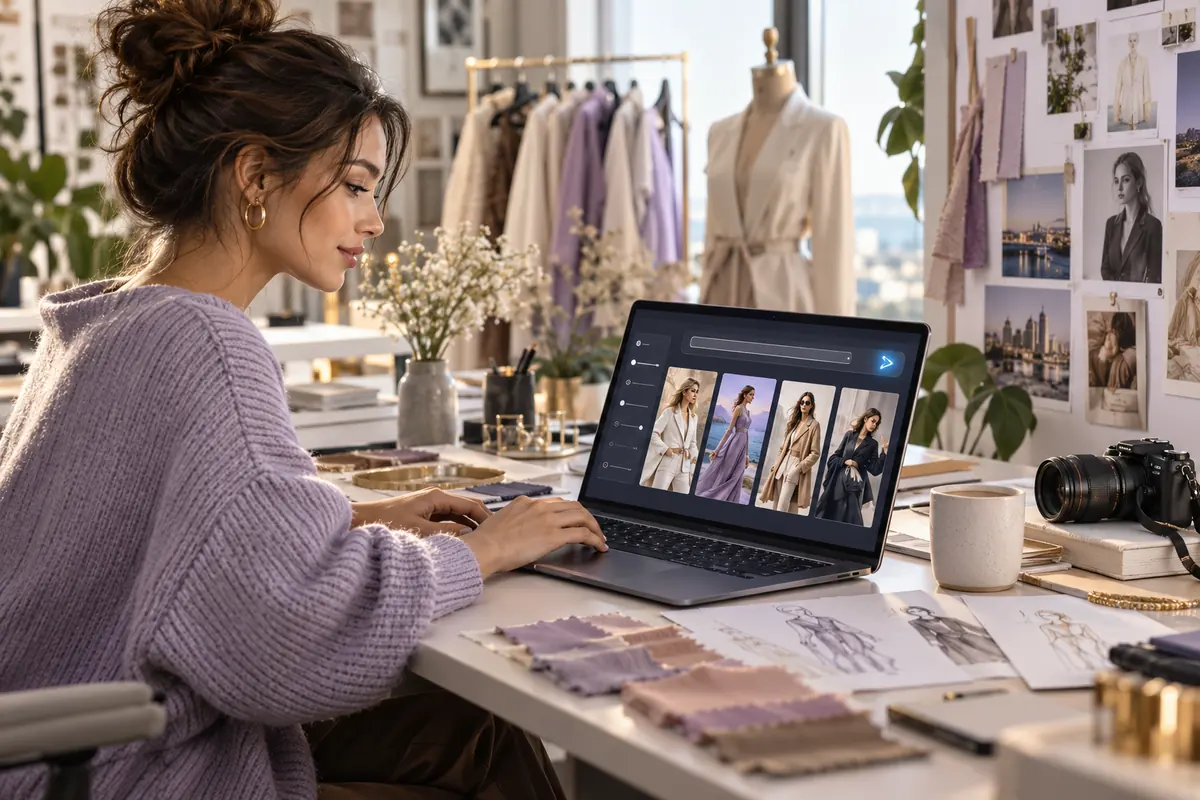
An AI image generator from text turns a written idea into a finished visual in seconds, and that speed is a gift for fashion, lifestyle, and design creators. Instead of booking a photographer or scrolling stock libraries, you can sketch a mood, test a colour palette, or preview an outfit concept from a single sentence. Bloggers, stylists, and small brands are folding these tools into daily content work. This guide explains how the technology works, where it fits into creative routines, and how to get results that actually match your vision.
What Is an AI Image Generator from Text?
An AI image generator from text is software that creates original pictures from written prompts. You describe a scene, and the tool builds a matching visual rather than pulling one from a photo library.
This works because the software learned from huge collections of images paired with captions. Over time, it built a sense of how words connect to shapes, colours, and styles.
The output isn’t a copy of an existing photo. Each image is generated fresh, based on patterns the model recognised during training. That’s why the same prompt can return several different results, giving you options to choose from.
How Text-to-Image Generation Actually Works
The process is called text-to-image generation, and it follows a clear path from idea to picture. Knowing the steps helps you write sharper prompts.
First, you enter a prompt. The model reads your words and maps them to visual concepts it learned during training.
Next, it starts with random noise and refines that noise step by step, gradually shaping a coherent image. This diffusion method powers well-known systems like Stable Diffusion.
Finally, you review the result and adjust. A small change to lighting, styling, or mood can shift the whole image, so most creators generate a few versions before settling on one.
Why Fashion and Lifestyle Creators Are Adopting These Tools
The appeal goes far beyond novelty. For visual-first creators, these tools solve real, everyday problems.
- Speed: A styling concept becomes a usable image in under a minute.
- Cost: You skip stock photo fees and one-off shoot budgets for early ideas.
- Flexibility: Test dozens of colour ways or settings before committing.
- Accessibility: No studio, model, or design degree needed to sketch a look.
For a solo blogger or small label, this levels the playing field. You can produce polished, on-theme visuals that once demanded a full production team.
The real payoff is focus. These tools free up time and budget for the creative decisions that genuinely need your eye.
Practical Ways to Use AI Images in Creative Work
The uses stretch across styling, planning, and publishing. Creators now weave these tools into their routines rather than treating them as experiments.
Stylists mock up outfit combinations before pulling a single garment. Interior and lifestyle bloggers preview a room’s palette or a flat-lay layout before setting anything up.
Other common uses include:
- Mood boards: Gather colour, texture, and silhouette ideas in one visual set.
- Social media posts: Keep a feed cohesive with on-brand graphics made in minutes.
- Blog headers: Match a custom image to your tone instead of generic stock.
- Concept pitches: Show clients or collaborators an idea before production.
If you want to test the workflow, this browser-based AI image generator from text from CapCut folds image creation into a wider content suite, so you can design a visual and build a post around it without switching apps.
Comparing the Leading Platforms
The market has grown crowded, and each platform has its own strengths. Knowing the main players helps you pick the right fit for your style of work.
Midjourney earned a loyal following for its artistic, editorial output, popular with designers who want a distinct fashion-forward mood. It shines when atmosphere matters more than literal accuracy.
DALL·E, from OpenAI, is known for strong prompt accuracy and clean, literal interpretations. It handles specific requests well and feels beginner-friendly.
Stable Diffusion stands out as an open model, prized by creators who want to customise settings or run it locally. It offers deep control with a steeper learning curve.
For creators who also edit video and social content, an all-in-one option like CapCut keeps everything in one place. The right choice depends on whether you value mood, precision, control, or convenience most.
How to Write Prompts That Match Your Vision
The quality of your image depends heavily on how you describe it. A few habits sharpen your results fast, especially for style-led visuals.
Be specific about subject, styling, and setting. “A model in a cream linen suit on a sunlit Parisian balcony, soft editorial lighting” beats a vague “fashion photo” every time.
Add details about fabric, colour palette, camera angle, and mood. These cues guide the model toward the look you actually picture.
Common mistake: giving up after one weak result. What to do instead: treat early images as drafts, adjust a few words, and regenerate. When a prompt captures your aesthetic, save it so you can reproduce a consistent style across a whole collection or campaign.
Limitations and Responsible Use
No tool is flawless, and honest use keeps your work credible. Being aware of the gaps saves frustration later.
Even strong models can still stumble on hands, jewellery detail, complex patterns, and text inside images. Always review outputs closely before you publish anything client-facing.
Copyright and originality remain live debates. Check each platform’s usage rights, especially for commercial projects, and avoid copying a living designer’s or artist’s signature style without care. Confirming your commercial licence protects you from legal risk.
Transparency also builds trust. When AI plays a major role in a visual, being open about it matches the honest standards your audience increasingly expects. A quick human review pass protects both your reputation and your readers.
Conclusion
An AI image generator from text has become a genuine creative partner for fashion, lifestyle, and design creators rather than a passing trend. It saves time, sparks styling ideas, and puts polished visuals within reach of anyone with a clear prompt and a strong eye. The best results still come from creators who guide the technology thoughtfully: write specific, style-rich prompts, review each image with care, and respect usage rights along the way. As platforms like CapCut, Midjourney, DALL·E, and Stable Diffusion keep improving, treat them as tools that support your vision, not replace it. Start with small experiments this week and let your own aesthetic lead.

Nano Banana 2.5 and the Changing Role of AI in Visual Content Creation

How Does an AI Image Generator from Text Help Fashion and Lifestyle Creators in 2026?

Is a ChatGPT Video Editor the Future of Content Creation for Women Creators?

How Can an AI Image Generator Fit Into Your Creative Routine?

How Poor Sleep Affects Your Body, Mood And Long-Term Health

The New Z library Official Site Address Explained For First-Time Visitors

Golden State Warriors vs Lakers Match Player Stats and Game Analysis

Lakers vs Houston Rockets Match Player Stats and Game Analysis

Timberwolves vs Denver Nuggets Match Player Stats and Game Analysis

Do You Really Need Glue for a Lace Front Hair Topper? Exploring Glueless Options
Nano Banana 2.5 and the Changing Role of AI in Visual Content Creation
Is a ChatGPT Video Editor the Future of Content Creation for Women Creators?
How Poor Sleep Affects Your Body, Mood And Long-Term Health
How Can an AI Image Generator Fit Into Your Creative Routine?
How Does an AI Image Generator from Text Help Fashion and Lifestyle Creators in 2026?
Nano Banana 2.5 and the Changing Role of AI in Visual Content Creation
How Does an AI Image Generator from Text Help Fashion and Lifestyle Creators in 2026?
Is a ChatGPT Video Editor the Future of Content Creation for Women Creators?
How Can an AI Image Generator Fit Into Your Creative Routine?
How Poor Sleep Affects Your Body, Mood And Long-Term Health
The New Z library Official Site Address Explained For First-Time Visitors
Golden State Warriors vs Lakers Match Player Stats and Game Analysis
Lakers vs Houston Rockets Match Player Stats and Game Analysis
Timberwolves vs Denver Nuggets Match Player Stats and Game Analysis
Do You Really Need Glue for a Lace Front Hair Topper? Exploring Glueless Options
-

 Fashion9 months ago
White Nails: Health, Causes, Science, and Long-Term Nail Care Explained
-
 Travel4 months ago
Celebrate Tradition: Europe’s Most Enchanting Fairs and Festivals
-

 Security7 months ago
Data Lake Security: Using Engineering Services to Keep Your Data Safe
-
 Tech2 months ago
The New Z library Official Site Address Explained For First-Time Visitors