
Tech
Why Some Leather Burns Beautifully — And Others Smell Terrible

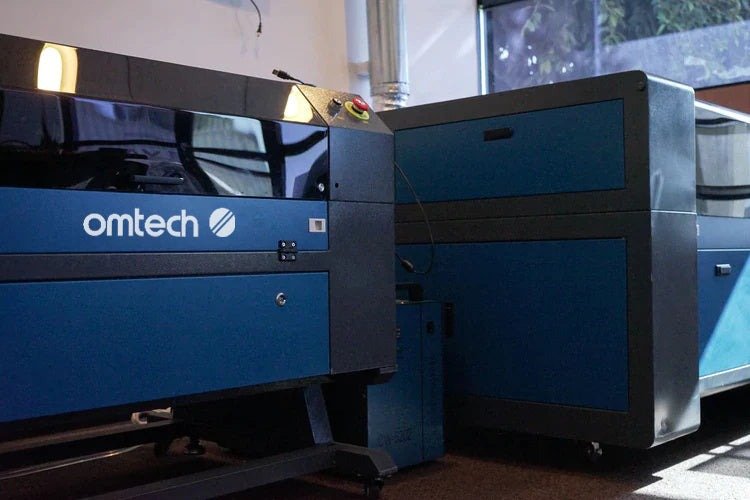
The difference between a clean, rich-looking leather engraving and a workshop filled with unpleasant fumes often has less to do with your laser than the leather itself.
Leather has long been one of the most rewarding materials for CO₂ laser engraving.
Whether you’re producing personalised wallets, notebook covers, leather patches, belts or gifts for customers, a good-quality piece of leather can engrave with beautiful contrast while retaining its natural character. It’s one of the reasons leather products remain popular with independent makers, engraving businesses and craft workshops across the UK.
Then there are the projects that don’t go to plan.
The engraving looks uneven. The edges become excessively charred. Thick smoke fills the machine, and the smell is far stronger than expected—sometimes sharp, chemical or distinctly like burning plastic.
Many users assume something is wrong with their laser settings.
More often than not, the real issue is the material.
Not everything marketed as leather behaves the same way under a laser beam. Different tanning methods, coatings, adhesives and synthetic layers all influence how leather engraves, cuts and smells.
Understanding those differences is one of the easiest ways to improve engraving quality while creating a safer, more consistent workflow.
Leather Doesn’t Simply Burn—It Responds to Heat
Laser engraving works by applying concentrated heat to the surface.
With suitable leather, that heat darkens or removes a thin layer, creating crisp detail and attractive contrast. During cutting, the laser passes completely through the material while leaving relatively sealed edges.
However, leather is far from a uniform material.
Depending on how it has been manufactured, it may contain:
- natural hide;
- vegetable or chrome tanning agents;
- dyes and pigments;
- oils and waxes;
- protective coatings;
- polyurethane finishes;
- adhesives;
- textile backings;
- synthetic fillers.
Each of these materials reacts differently when exposed to laser energy.
Two leather sheets that appear almost identical can therefore produce completely different engraving results.
Vegetable-Tanned Leather Usually Produces the Best Results
For many experienced laser users, vegetable-tanned leather remains the preferred option.
Instead of chromium salts, vegetable tanning relies on natural tannins extracted from bark, leaves and other plant materials. The leather often has a more natural appearance and develops an attractive patina with age.
When engraved with a CO₂ laser, vegetable-tanned leather typically offers:
- rich engraving contrast;
- sharp detail;
- predictable darkening;
- cleaner cut edges;
- less chemical-smelling smoke than many coated alternatives.
Because lighter vegetable-tanned leather darkens naturally during engraving, text and graphics often stand out particularly well.
This type of leather is widely used for:
- wallets;
- keyrings;
- leather patches;
- notebook covers;
- belts;
- coasters;
- luggage tags;
- personalised gifts.
While every hide varies slightly, vegetable-tanned leather generally delivers the most consistent engraving performance.
Chrome-Tanned Leather Can Be Less Predictable
Chrome tanning dominates much of today’s leather industry because it is efficient and produces soft, flexible leather suitable for fashion and upholstery.
From a laser engraving perspective, however, it often behaves differently.
Compared with vegetable-tanned leather, chrome-tanned leather may produce:
- lighter engraving contrast;
- stronger odours;
- increased smoke;
- more residue;
- inconsistent colour changes;
- greater variation between batches.
Some chrome-tanned leathers engrave perfectly well after careful testing.
Others may produce disappointing results even with similar settings.
The safest approach is always to confirm the leather specification with your supplier rather than relying solely on appearance.
Surface Coatings Can Change Everything
In many cases, the leather itself isn’t causing the problem.
It’s the finish applied afterwards.
Modern leather goods are frequently coated to improve:
- water resistance;
- stain resistance;
- colour consistency;
- durability;
- gloss;
- scratch resistance.
Those coatings may contain acrylics, polyurethane or other synthetic materials.
When exposed to laser heat they may:
- melt;
- blister;
- become sticky;
- produce heavy smoke;
- reduce engraving contrast;
- create unpleasant chemical smells.
A heavily coated leather may look premium before engraving while producing disappointing results afterwards.
Whenever possible, ask whether the leather is:
- unfinished;
- aniline dyed;
- semi-aniline;
- pigmented;
- waxed;
- polyurethane coated;
- water resistant.
Knowing the finish often tells you far more than the product name.
“Genuine Leather” Doesn’t Tell You Very Much
Many products sold throughout the UK simply describe themselves as “genuine leather”.
Unfortunately, that description says very little about laser compatibility.
It doesn’t identify:
- the tanning method;
- leather grade;
- coatings;
- adhesives;
- construction;
- backing materials.
Instead, look for more specific descriptions such as:
- full-grain leather;
- top-grain leather;
- split leather;
- vegetable-tanned leather;
- chrome-tanned leather;
- bonded leather.
The more information available, the easier it becomes to predict engraving performance.
Bonded Leather Often Produces the Strongest Odours
Bonded leather is manufactured from leather fibres combined with adhesives and synthetic binders.
Additional coatings are then applied to imitate natural grain.
During laser engraving the beam heats far more than leather fibres alone.
It may also burn:
- adhesives;
- resins;
- synthetic binders;
- backing fabrics;
- surface coatings.
The result may include:
- excessive smoke;
- sticky residue;
- inconsistent engraving;
- persistent chemical odours.
Even if the finished product initially looks acceptable, unpleasant smells may remain long afterwards.
For premium personalised products, natural leather generally produces more reliable results.
Faux Leather Needs Careful Identification
Not every synthetic leather is unsuitable for laser engraving.
However, knowing exactly what it’s made from is essential.
Many laser-compatible materials are manufactured from polyurethane (PU).
Other synthetic leathers contain PVC (vinyl).
PVC should never be processed with a laser because it can release corrosive and hazardous fumes capable of damaging both equipment and operator health.
The challenge is that PU and PVC products often look almost identical.
Terms such as:
- faux leather;
- vegan leather;
- synthetic leather;
- leatherette
do not identify the actual material.
Before engraving any synthetic leather, confirm the composition with the supplier and avoid any material containing PVC.
Why Does Leather Smell During Laser Engraving?
Even high-quality natural leather develops an odour during engraving.
Leather contains proteins, oils, fats and moisture. When heated, these naturally produce smoke and volatile compounds, often creating a smell similar to burnt hair.
That is perfectly normal.
What isn’t normal is an intense chemical, solvent-like or plastic smell.
Strong odours may indicate:
- synthetic coatings;
- PVC;
- polyurethane layers;
- adhesives;
- excessive laser power;
- poor ventilation;
- contaminated material.
If a new material suddenly produces unusually strong fumes, it’s worth stopping the job and confirming exactly what you’re engraving.
More Power Doesn’t Mean Better Results
One of the most common mistakes is increasing laser power whenever the engraving looks too light.
On leather, this often creates more problems than it solves.
Too much energy may lead to:
- excessive charring;
- brittle edges;
- smoke staining;
- heavy residue;
- stronger odours;
- loss of fine detail.
Many experienced operators achieve cleaner results using moderate power combined with higher engraving speeds.
The objective isn’t to burn deeper.
It’s to create controlled contrast while preserving the leather’s natural texture.
Moisture, Oils and Leather Conditioners Matter
Leather is a natural material.
Its moisture content changes with storage conditions, while oils and leather conditioners can significantly influence engraving quality.
Freshly conditioned leather may contain waxes or silicone products that react differently under laser heat.
To improve consistency:
- store leather indoors under stable conditions;
- avoid engraving immediately after conditioning;
- use the same supplier whenever possible;
- test every new batch;
- keep records of successful settings.
Natural materials always vary slightly, even within the same hide.
Good Ventilation Makes a Huge Difference
Leather engraving inevitably produces smoke.
A properly designed extraction system removes fumes before they settle back onto the workpiece or circulate around the workshop.
Effective extraction helps to:
- improve engraving quality;
- reduce lingering smells;
- minimise smoke staining;
- protect machine optics;
- create a more comfortable working environment.
Simply opening a window rarely provides sufficient airflow for regular production.
How OMTech CO₂ Lasers Support Leather Projects
OMTech CO₂ laser engravers are widely used for engraving and cutting leather products including:
- wallets;
- notebook covers;
- leather patches;
- belts;
- luggage tags;
- keyrings;
- coasters;
- personalised gifts;
- branded merchandise.
Combined with suitable materials and proper ventilation, they can produce detailed, repeatable engraving suitable for both hobby businesses and commercial production.
However, successful leather engraving always depends on more than the machine itself.
Choosing appropriate materials, confirming leather composition, testing new batches and developing material-specific settings remain essential parts of the process.
Practical Tips for Cleaner Leather Engraving
For consistently better results:
- Choose vegetable-tanned leather whenever practical.
- Confirm the tanning method before buying.
- Never engrave PVC or unknown synthetic materials.
- Test every new leather batch.
- Begin with moderate power settings.
- Use effective fume extraction.
- Clean leather before engraving.
- Secure materials flat on the worktable.
- Record successful settings by material type.
- Allow finished products to air before packaging.
Small improvements throughout the workflow often make a much bigger difference than changing one laser setting.
Some leather engraves beautifully because its fibres, tanning process and surface finish respond naturally to laser heat.
Others produce unpleasant smells because the laser is heating far more than leather—it may also be burning adhesives, coatings or synthetic materials hidden beneath the surface.
Understanding what your material is made from is just as important as choosing the correct power or speed settings.
For makers, leather workshops and personalised product businesses across the UK, combining high-quality leather with an OMTech CO₂ laser and a carefully tested workflow can deliver crisp engraving, clean cutting and professional-looking results that customers notice immediately.

How Does an AI Image Generator from Text Help Fashion and Lifestyle Creators in 2026?

Is a ChatGPT Video Editor the Future of Content Creation for Women Creators?

How Can an AI Image Generator Fit Into Your Creative Routine?

How Poor Sleep Affects Your Body, Mood And Long-Term Health

The New Z library Official Site Address Explained For First-Time Visitors

Golden State Warriors vs Lakers Match Player Stats and Game Analysis

Lakers vs Houston Rockets Match Player Stats and Game Analysis

Timberwolves vs Denver Nuggets Match Player Stats and Game Analysis

Do You Really Need Glue for a Lace Front Hair Topper? Exploring Glueless Options

Why are hospitals investing in indoor navigation to improve patient flow ?
Is a ChatGPT Video Editor the Future of Content Creation for Women Creators?
How Poor Sleep Affects Your Body, Mood And Long-Term Health
How Can an AI Image Generator Fit Into Your Creative Routine?
How Does an AI Image Generator from Text Help Fashion and Lifestyle Creators in 2026?
How Does an AI Image Generator from Text Help Fashion and Lifestyle Creators in 2026?
Is a ChatGPT Video Editor the Future of Content Creation for Women Creators?
How Can an AI Image Generator Fit Into Your Creative Routine?
How Poor Sleep Affects Your Body, Mood And Long-Term Health
The New Z library Official Site Address Explained For First-Time Visitors
Golden State Warriors vs Lakers Match Player Stats and Game Analysis
Lakers vs Houston Rockets Match Player Stats and Game Analysis
Timberwolves vs Denver Nuggets Match Player Stats and Game Analysis
Do You Really Need Glue for a Lace Front Hair Topper? Exploring Glueless Options
Why are hospitals investing in indoor navigation to improve patient flow ?
-
 Travel3 months ago
Celebrate Tradition: Europe’s Most Enchanting Fairs and Festivals
-

 Security7 months ago
Data Lake Security: Using Engineering Services to Keep Your Data Safe
-

 Fashion9 months ago
White Nails: Health, Causes, Science, and Long-Term Nail Care Explained
-
 Lifestyle5 months ago
Why a Tallboy Is the Storage Upgrade Your Home Needs