
Entertainment
Snapchat Planets Explained: How the Friendship Ranking System Really Works


Snapchat continuously experiments with creative ways to represent social connections, and one of its most talked-about premium features is snapchat planets. This system converts complex interaction data into a simple visual format that helps users see how their friendships compare within the app. Instead of lists or scores, Snapchat uses a solar-system-style model to show relationship proximity based purely on activity patterns.
Why Snapchat Introduced a Planet-Based Model
Snapchat designed this feature to make social data easier to interpret. Visual metaphors are processed faster by the human brain than raw numbers. By using planets and orbits, Snapchat reduces cognitive load while still communicating meaningful differences between friendships. This approach aligns with the app’s overall design philosophy of keeping interactions light, intuitive, and non-competitive.
Access Requirements and the Role of Snapchat+
The planetary system is not part of the free Snapchat experience. It is included in Snapchat+, a paid subscription that unlocks early-access and experimental features. Only users with an active Snapchat+ subscription can view their friendship planets. This exclusivity allows Snapchat to test advanced features with a smaller audience while preserving privacy for general users.
How the Solar System Layout Functions
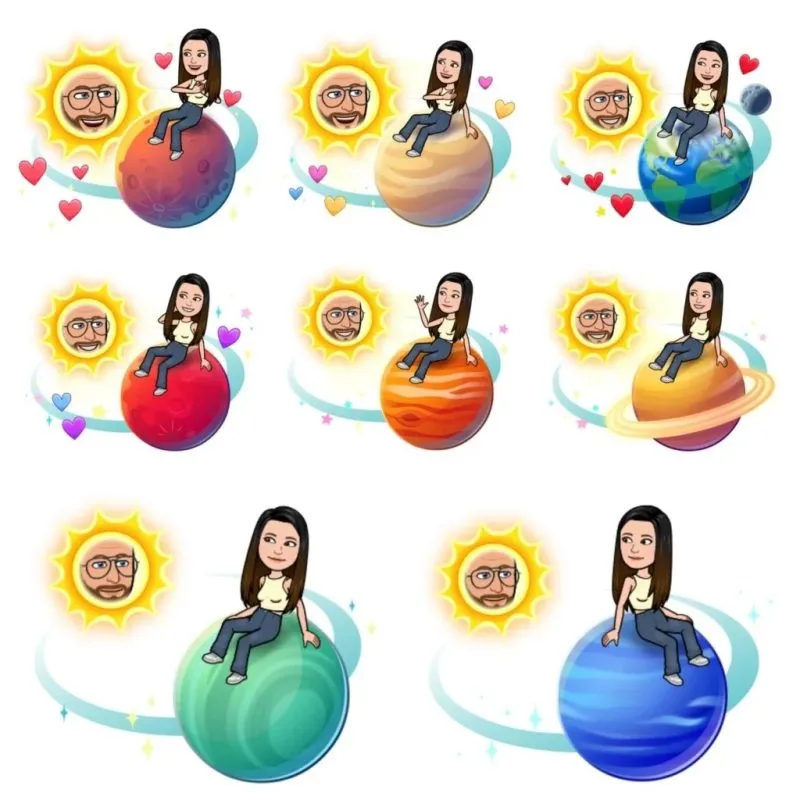
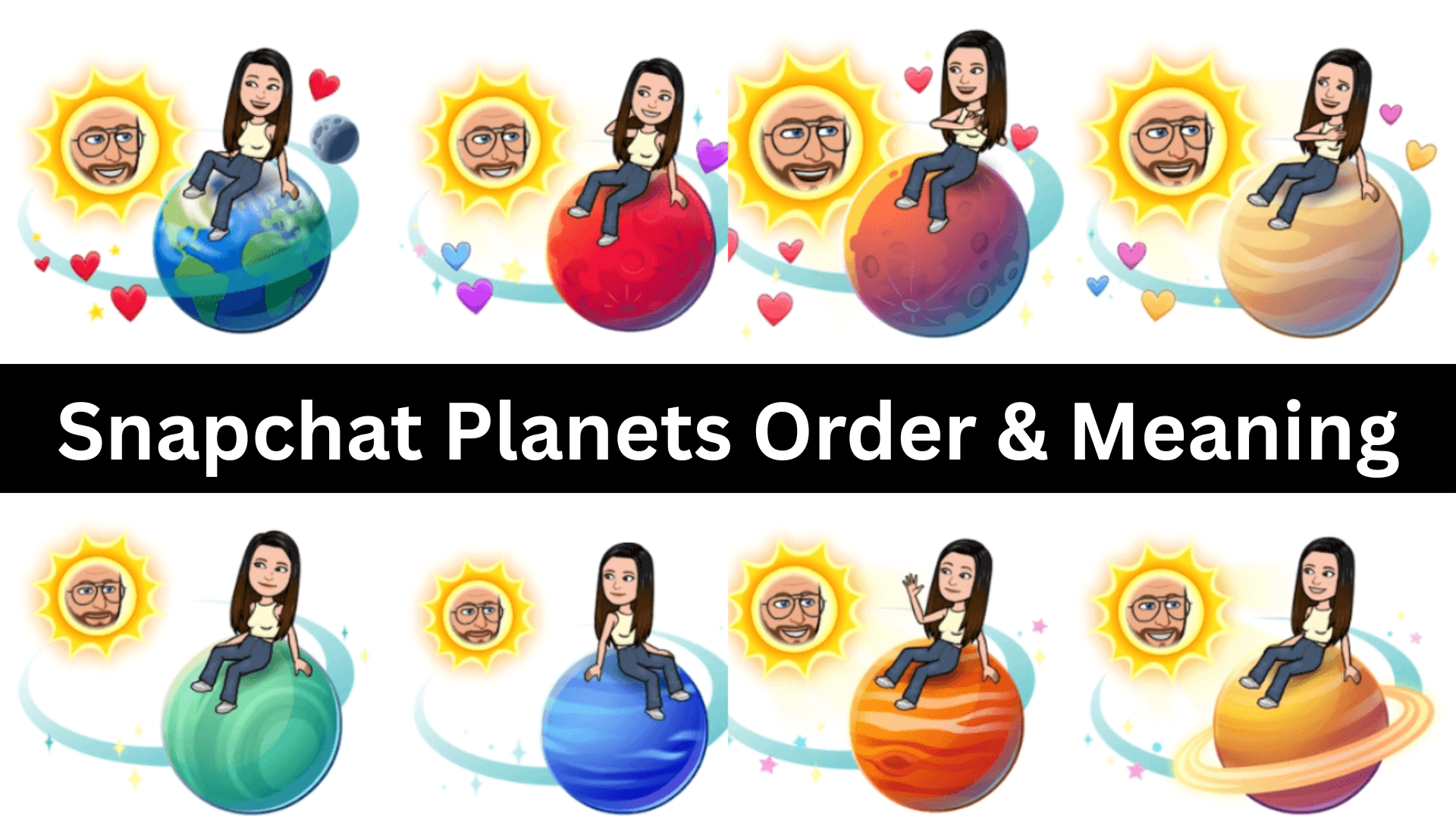
In the planetary view, the user is placed at the center as the “sun.” Friends appear as planets orbiting around the center. The closer a planet is to the sun, the higher that friend ranks in terms of interaction frequency. Distance does not represent emotional closeness, but rather relative engagement compared to other friends within the same period.

Signals Used to Calculate Friendship Position
Snapchat uses a combination of behavioral signals to assign planetary positions. These include the number of snaps exchanged, chat frequency, consistency of interaction, and how recently interactions occurred. The system emphasizes recent and repeated engagement rather than long-term history, ensuring that the display reflects current usage patterns.
Dynamic Nature of Planetary Rankings
The planetary order is not fixed. As communication habits change, planet positions can shift automatically. Increased interaction with one friend may move them closer to the center, while reduced activity can cause others to move outward. This dynamic adjustment ensures that the visualization remains relevant and up to date.
Meaning Behind Individual Planet Positions
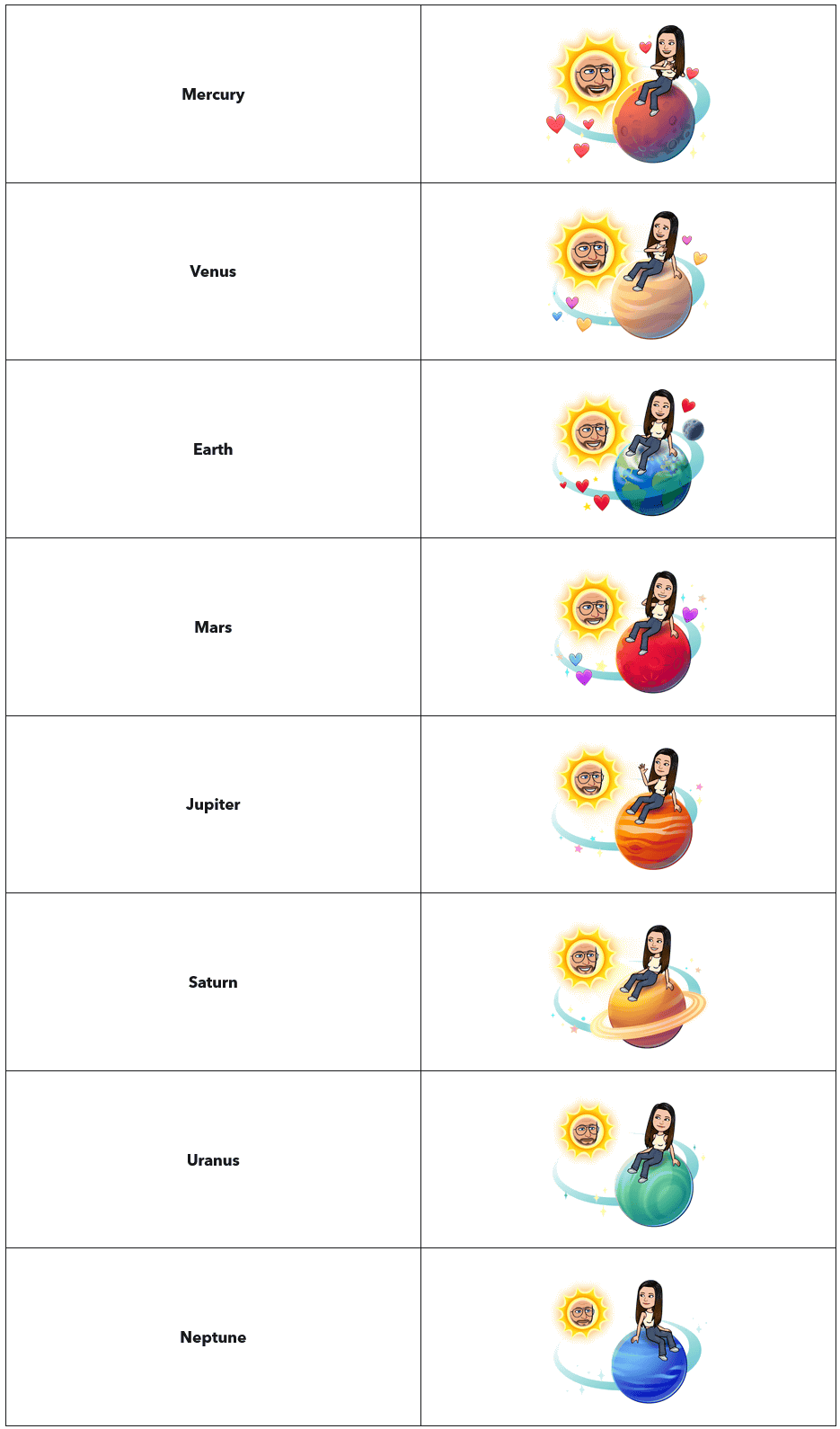
Each planet represents a rank rather than a score. The closest planet corresponds to the most interacted-with friend, followed by others in descending order of engagement. The planets are symbolic and standardized, meaning users cannot rename or customize them. The goal is consistency across accounts, not personalization.
Comparison With the Traditional Best Friends List
Before this feature, Snapchat displayed a Best Friends list based on interaction frequency. While effective, that list lacked context. The planetary system adds visual comparison, allowing users to see how close one friend is relative to another. This makes it easier to interpret changes in interaction patterns without exposing numerical data.
Privacy-Centered Design Choices
A key design principle behind snapchat planets is privacy. Users can only see their own perspective. You cannot view how you rank in someone else’s system, nor can others see your planetary layout. This prevents social pressure, misinterpretation, and unnecessary comparison between users.
Common Misconceptions About the Feature
Some users assume that a distant planet means a weak or failing friendship. This is incorrect. The system only reflects in-app activity, not personal bonds or offline relationships. Another misconception is that rankings update instantly after every message; in reality, Snapchat aggregates signals over time.
Update Frequency and Data Refresh Cycle
Snapchat does not publish an official update schedule for this feature. However, changes are generally responsive to recent activity trends. Depending on usage, shifts may occur within days. The lack of a fixed update time helps prevent manipulation and keeps the system behavior-based.
How Users Can Interpret the Data Responsibly
The planetary model is best used as a self-reflection tool. It can highlight which connections are currently active and which have slowed down. However, it should not be treated as a measure of personal value or friendship quality. Snapchat intentionally avoids presenting the data in a way that encourages judgment.

Design Limitations of the Planet System
The system only measures behavior within the app. Phone calls, in-person meetings, and emotional closeness are not considered. Short-term spikes in activity can also temporarily affect rankings. These limitations mean the feature provides context, not conclusions.
Why Snapchat Avoids Showing Numbers or Scores
Displaying numbers often leads to competition and anxiety. Snapchat’s decision to use symbolic visuals instead of metrics supports a healthier user experience. Planets suggest relative position without implying judgment, which aligns with Snapchat’s casual communication culture.
Potential Future Developments
As Snapchat continues refining premium features, the planetary system may expand. Possible updates could include clearer explanations or optional insights into trends over time. Any future changes are likely to maintain the balance between transparency and privacy.
FAQs
FAQ 1: Is this feature available on free Snapchat accounts?
No, it is exclusive to Snapchat+ subscribers.
FAQ 2: Can someone see how I rank them in my system?
No, the view is private and one-directional.
FAQ 3: Do planet positions change automatically?
Yes, they adjust based on ongoing interaction patterns.
FAQ 4: Does distance between planets represent emotional closeness?
No, it only reflects relative in-app engagement.
FAQ 5: Are exact interaction counts shown anywhere?
No, Snapchat does not display numerical data for this feature.
Final Perspective
Snapchat planets offer a visually engaging way to observe interaction trends without exposing sensitive data. When interpreted correctly, the system helps users understand their app usage habits rather than define their relationships. Its strength lies in simplicity, privacy, and adaptive design—making it a unique addition to Snapchat’s evolving social features.

Data Lake Security: Using Engineering Services to Keep Your Data Safe

Bison Kaalamaadan Review: When a Sports Film Becomes a Portrait of Caste, Rage, and Survival

Quiet Luxury: How Thoughtful Storage Elements Elevate the Status of a Wardrobe

Forbidden Pants: How Clothing Restrictions Shape Culture, Identity, and Society

Coquette Nails: The Rise of Soft Romance in Modern Nail Art

777 Angel Number Meaning: A Complete and In-Depth Guide

Sunday Kalogeras: TikTok Star, Biography, Age, Family, Career & Digital Success

Low Maintenance Short Layered Haircuts: The Complete Informative Guide for Easy Everyday Styling

White Nails: Health, Causes, Science, and Long-Term Nail Care Explained

January Nail Colors: A Complete Guide to Seasonal, Stylish, and Timeless Manicures
Data Lake Security: Using Engineering Services to Keep Your Data Safe
Bison Kaalamaadan Review: When a Sports Film Becomes a Portrait of Caste, Rage, and Survival
Quiet Luxury: How Thoughtful Storage Elements Elevate the Status of a Wardrobe
Forbidden Pants: How Clothing Restrictions Shape Culture, Identity, and Society
Coquette Nails: The Rise of Soft Romance in Modern Nail Art
777 Angel Number Meaning: A Complete and In-Depth Guide
Sunday Kalogeras: TikTok Star, Biography, Age, Family, Career & Digital Success
Low Maintenance Short Layered Haircuts: The Complete Informative Guide for Easy Everyday Styling
White Nails: Health, Causes, Science, and Long-Term Nail Care Explained
January Nail Colors: A Complete Guide to Seasonal, Stylish, and Timeless Manicures
-
 Entertainment2 months ago
Bison Kaalamaadan Review: When a Sports Film Becomes a Portrait of Caste, Rage, and Survival
-
 Security1 month ago
Data Lake Security: Using Engineering Services to Keep Your Data Safe
-
 Fashion3 months ago
Forbidden Pants: How Clothing Restrictions Shape Culture, Identity, and Society
-
 Lifestyle2 months ago
Quiet Luxury: How Thoughtful Storage Elements Elevate the Status of a Wardrobe