
Lifestyle
Lotus Flower Tattoo: Meaning, Symbolism, Designs, and Cultural Significance

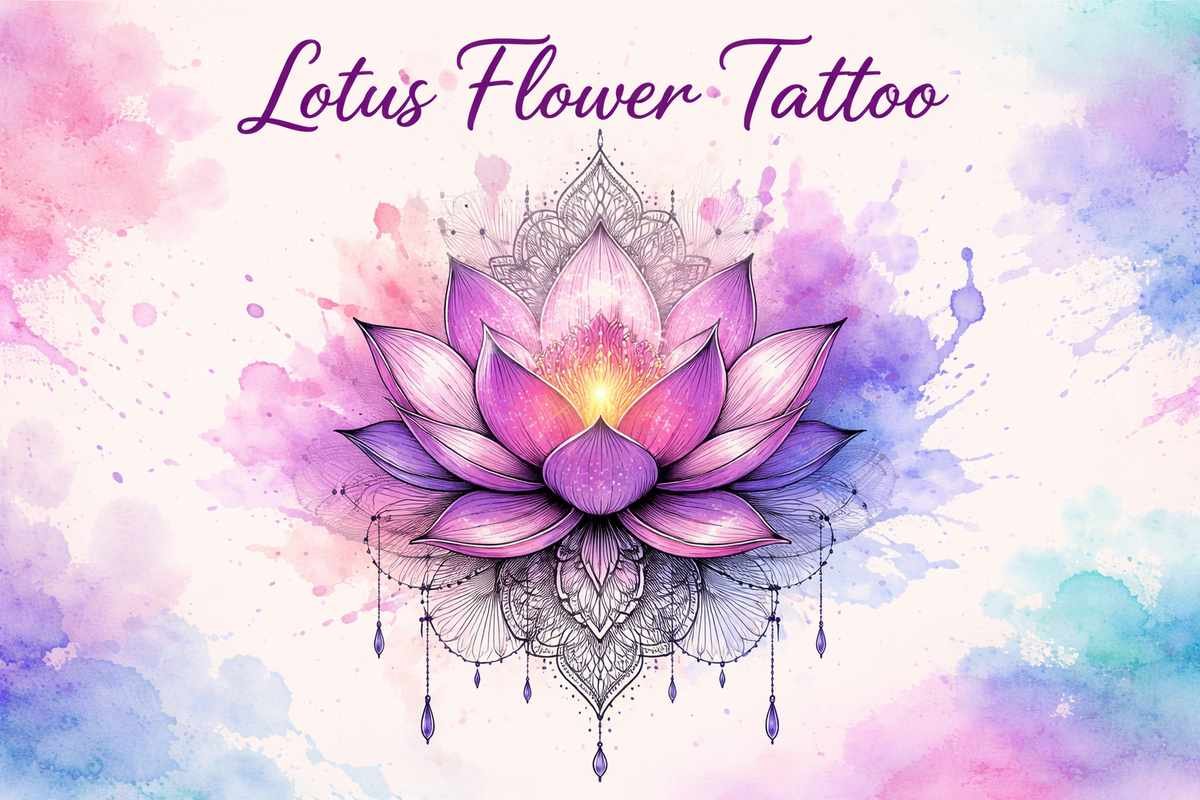
The lotus flower tattoo is one of the most meaningful and timeless body art choices, admired for both its visual elegance and its deep symbolic roots. This design is not chosen only for beauty; it carries layers of spiritual, emotional, and philosophical meaning. Across different cultures and belief systems, the lotus has represented growth, renewal, and the ability to rise above adversity. Because of its rich symbolism, this tattoo appeals to people seeking art that reflects personal transformation, resilience, and inner strength.
The Natural Origin and Unique Growth of the Lotus
The lotus flower grows in muddy, murky water, yet it emerges clean, fragrant, and untouched by its surroundings. This natural phenomenon has fascinated humans for centuries. From a symbolic perspective, this growth pattern represents purity despite difficult circumstances. Many people are drawn to this imagery because it mirrors real-life struggles—rising from hardship without losing one’s core values. This natural resilience is a key reason why lotus-based designs hold such lasting appeal in tattoo culture.
Symbolic Meaning and Spiritual Interpretation
At its core, the lotus flower tattoo symbolizes spiritual awakening, enlightenment, and rebirth. In many traditions, the opening petals of the lotus represent the expansion of the soul and the journey toward wisdom. The flower’s daily cycle—closing at night and reopening in the morning—also symbolizes renewal and continuity. For individuals who have overcome challenges or experienced personal growth, this symbol becomes a permanent reminder of inner progress and emotional strength.
Cultural Significance Across Civilizations
The lotus flower tattoo holds powerful meaning in several cultures. In Buddhism, the lotus represents purity of mind and the path to enlightenment, often associated with the Buddha himself. In Hinduism, the flower is connected to divine beauty, fertility, and prosperity, frequently linked with deities such as Lakshmi and Brahma. In ancient Egyptian culture, the lotus symbolized creation and rebirth, as it was believed to give rise to the sun. These cross-cultural meanings make the lotus a universal symbol rather than one tied to a single belief system.
Color Symbolism and Their Interpretations
Color plays a vital role in how lotus tattoos are interpreted. A white lotus often represents purity, peace, and spiritual perfection. A pink lotus is traditionally associated with divine presence and sacred devotion. Blue lotus designs convey wisdom, knowledge, and control over desires, while purple variations symbolize mysticism and spiritual depth. Choosing a specific color allows the wearer to personalize the message behind the tattoo without altering its core symbolism.
Popular Design Styles and Artistic Variations
Modern tattoo artistry has expanded the way lotus designs are created. The lotus flower tattoo can be rendered in minimalist line work, intricate mandala patterns, or highly detailed realistic styles. Mandala-inspired designs emphasize balance and harmony, while watercolor techniques add softness and emotional expression. Geometric lotus designs appeal to those who prefer symmetry and structure, reflecting order within chaos. Each artistic approach enhances the meaning while allowing for unique self-expression.
Tattoo Placement and Its Meaning
Placement plays an important role in the message a tattoo conveys. Many people choose visible areas such as the forearm or wrist to symbolize openness and pride in personal growth. Others prefer the back, spine, or chest, representing a more intimate and spiritual connection. A lotus flower tattoo placed along the spine often symbolizes alignment and spiritual balance, while foot or ankle placements reflect life’s journey and forward movement.
Psychological and Emotional Significance
Beyond spiritual meanings, lotus tattoos hold psychological value. They often represent emotional healing, self-acceptance, and mental clarity. For individuals who have faced trauma or personal loss, this symbol can serve as a permanent affirmation of survival and resilience. The lotus reminds the wearer that beauty can emerge from pain and that growth is possible even after hardship.
Why the Lotus Symbol Remains Timeless
The enduring popularity of lotus tattoos lies in their adaptability and depth. Unlike trend-based designs, the lotus remains relevant because its meaning evolves with the wearer. A lotus flower tattoo chosen at one stage of life may take on deeper meaning years later as personal experiences grow. This timeless quality makes it a preferred choice for those seeking long-lasting symbolic body art.
Care, Longevity, and Visual Impact
Proper aftercare is essential to maintain the clarity and beauty of a lotus tattoo. Fine lines, intricate patterns, and delicate shading require careful healing to preserve detail. Over time, a well-maintained lotus design ages gracefully, often enhancing its symbolic value as the wearer continues their personal journey. This long-term visual impact adds to its appeal as a meaningful and enduring tattoo choice.
Conclusion
The lotus flower tattoo is far more than an artistic design; it is a symbol of transformation, resilience, and spiritual growth. Rooted in nature and enriched by cultural, emotional, and philosophical meanings, it offers a powerful way to express personal evolution. Whether chosen for its spiritual depth, cultural heritage, or emotional symbolism, this tattoo remains one of the most profound and meaningful choices in body art.
Frequently Asked Questions (FAQs)
1. What does a lotus tattoo generally symbolize?
It commonly represents purity, spiritual awakening, personal growth, and resilience through adversity.
2. Is the lotus symbol connected to religion?
Yes, it holds strong significance in Buddhism, Hinduism, and ancient Egyptian beliefs, symbolizing enlightenment and rebirth.
3. Do lotus tattoos have different meanings based on color?
Yes, different colors represent concepts such as wisdom, purity, spirituality, and divine connection.
4. Is a lotus tattoo suitable for both men and women?
Absolutely. The symbolism is universal and appeals to people of all genders and backgrounds.
5. Why is the lotus considered a powerful tattoo symbol?
Because it represents rising above challenges and maintaining inner purity despite difficult circumstances.

Data Lake Security: Using Engineering Services to Keep Your Data Safe

Bison Kaalamaadan Review: When a Sports Film Becomes a Portrait of Caste, Rage, and Survival

Quiet Luxury: How Thoughtful Storage Elements Elevate the Status of a Wardrobe

Forbidden Pants: How Clothing Restrictions Shape Culture, Identity, and Society

Coquette Nails: The Rise of Soft Romance in Modern Nail Art

777 Angel Number Meaning: A Complete and In-Depth Guide

Sunday Kalogeras: TikTok Star, Biography, Age, Family, Career & Digital Success

Low Maintenance Short Layered Haircuts: The Complete Informative Guide for Easy Everyday Styling

White Nails: Health, Causes, Science, and Long-Term Nail Care Explained

January Nail Colors: A Complete Guide to Seasonal, Stylish, and Timeless Manicures
Data Lake Security: Using Engineering Services to Keep Your Data Safe
Bison Kaalamaadan Review: When a Sports Film Becomes a Portrait of Caste, Rage, and Survival
Quiet Luxury: How Thoughtful Storage Elements Elevate the Status of a Wardrobe
Forbidden Pants: How Clothing Restrictions Shape Culture, Identity, and Society
Coquette Nails: The Rise of Soft Romance in Modern Nail Art
777 Angel Number Meaning: A Complete and In-Depth Guide
Sunday Kalogeras: TikTok Star, Biography, Age, Family, Career & Digital Success
Low Maintenance Short Layered Haircuts: The Complete Informative Guide for Easy Everyday Styling
White Nails: Health, Causes, Science, and Long-Term Nail Care Explained
January Nail Colors: A Complete Guide to Seasonal, Stylish, and Timeless Manicures
-
 Entertainment2 months ago
Bison Kaalamaadan Review: When a Sports Film Becomes a Portrait of Caste, Rage, and Survival
-
 Security1 month ago
Data Lake Security: Using Engineering Services to Keep Your Data Safe
-
 Fashion3 months ago
Forbidden Pants: How Clothing Restrictions Shape Culture, Identity, and Society
-
 Lifestyle2 months ago
Quiet Luxury: How Thoughtful Storage Elements Elevate the Status of a Wardrobe