
Fashion
Forbidden Pants: How Clothing Restrictions Shape Culture, Identity, and Society

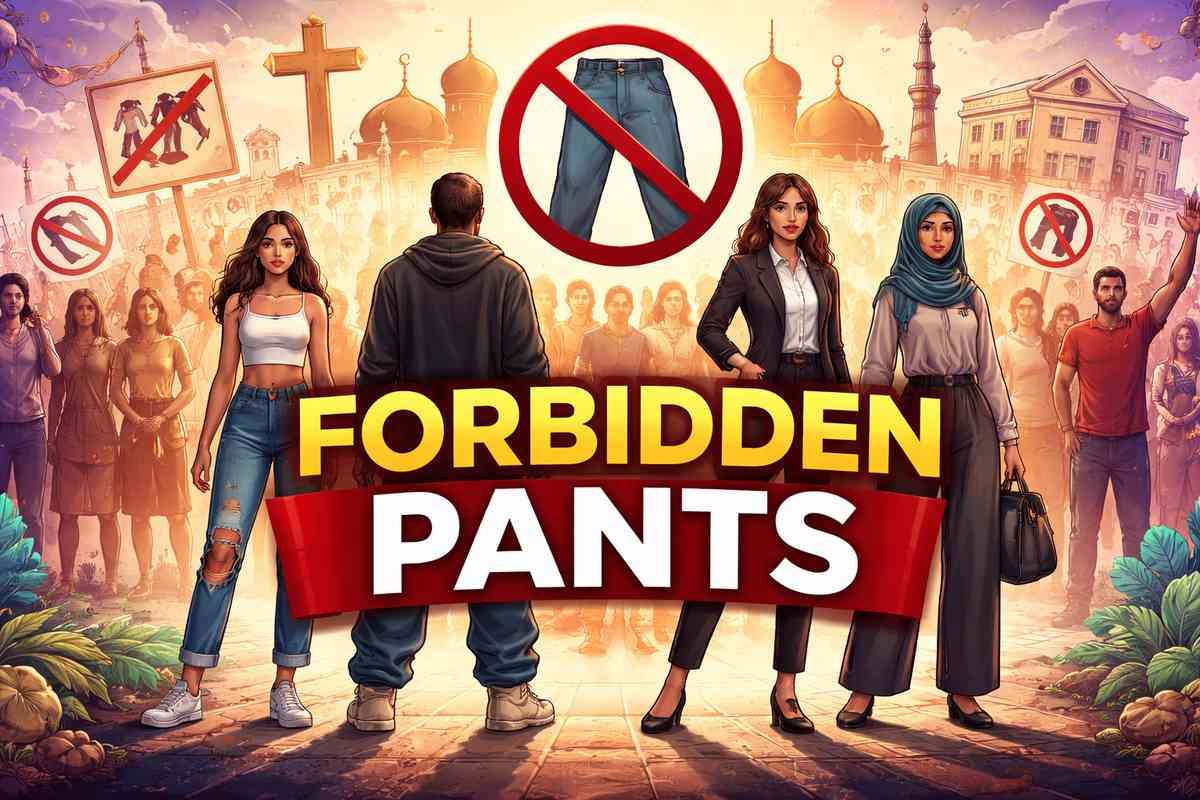
Clothing has never been just about comfort or fashion. Across history, what people are allowed—or not allowed—to wear has reflected deeper social values. The idea of forbidden pants emerges from this reality, where certain trousers or styles are restricted due to cultural norms, moral beliefs, institutional rules, or historical traditions. These restrictions may not always be written into law, but they can still strongly influence behavior through social pressure.
Pants often symbolize authority, independence, or rebellion depending on the context. Because of this symbolic power, societies have repeatedly attempted to control who wears them, how they are worn, and where they are acceptable.
Historical Roots of Pants Restrictions
In many ancient societies, pants were practical garments worn for riding, labor, or combat. However, their acceptance was limited by class and gender. In early European civilizations, trousers were associated with soldiers and working men, while elites favored robes or tunics. This created an early division where pants were seen as unsuitable for certain social groups.
Over time, clothing laws and customs reinforced these ideas. Medieval and early modern societies used dress regulations to maintain hierarchy, indirectly shaping which garments were considered acceptable. These historical boundaries laid the foundation for future debates over pants and social order.
Gender Norms and the Control of Dress
One of the strongest influences on pants restrictions has been gender expectations. For centuries, many cultures viewed pants as symbols of masculinity. Women wearing trousers were often perceived as violating social roles, challenging family structures, or rejecting moral values.
In the 19th and early 20th centuries, women who wore pants in public spaces faced criticism, discrimination, and sometimes punishment. These reactions were less about the garment itself and more about preserving traditional power dynamics. As movements for gender equality gained momentum, these attitudes gradually weakened, but remnants still exist in some societies.
Religious Views on Pants and Modesty
Religious interpretations have also played a significant role in defining acceptable clothing. Many faith traditions emphasize modesty and clear distinctions between male and female attire. In certain interpretations, pants are discouraged for specific genders or settings because they are believed to blur these distinctions.
These restrictions are usually enforced through community expectations rather than formal law. The intention is often to promote humility, discipline, and spiritual focus. However, interpretations differ widely, even within the same religion, making clothing norms highly dependent on local culture.
Cultural Traditions and Social Identity
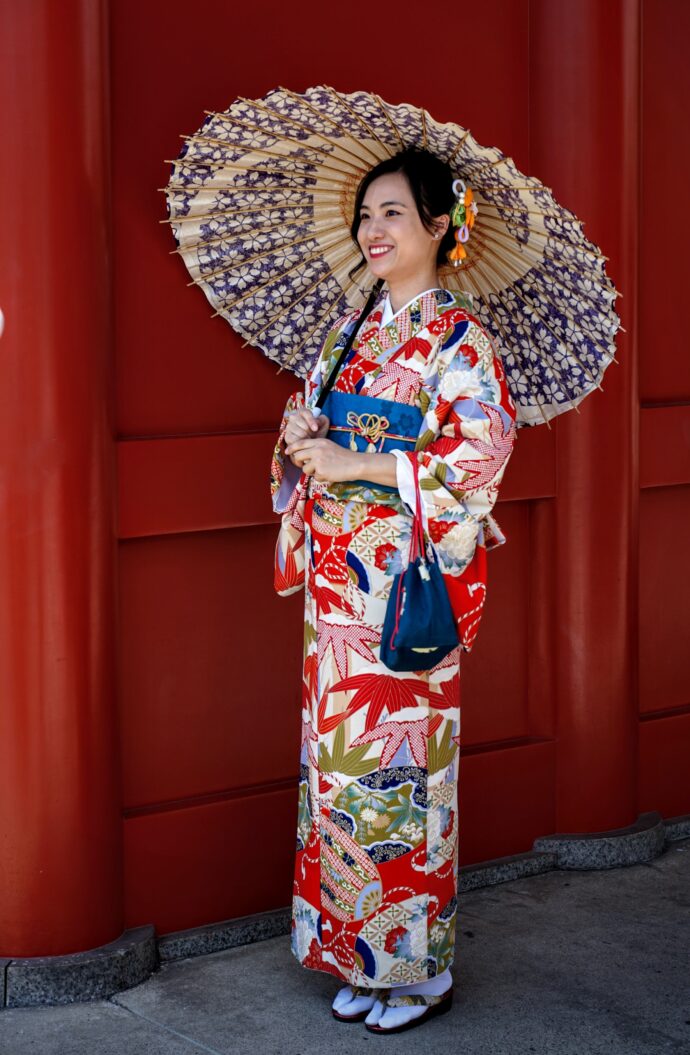
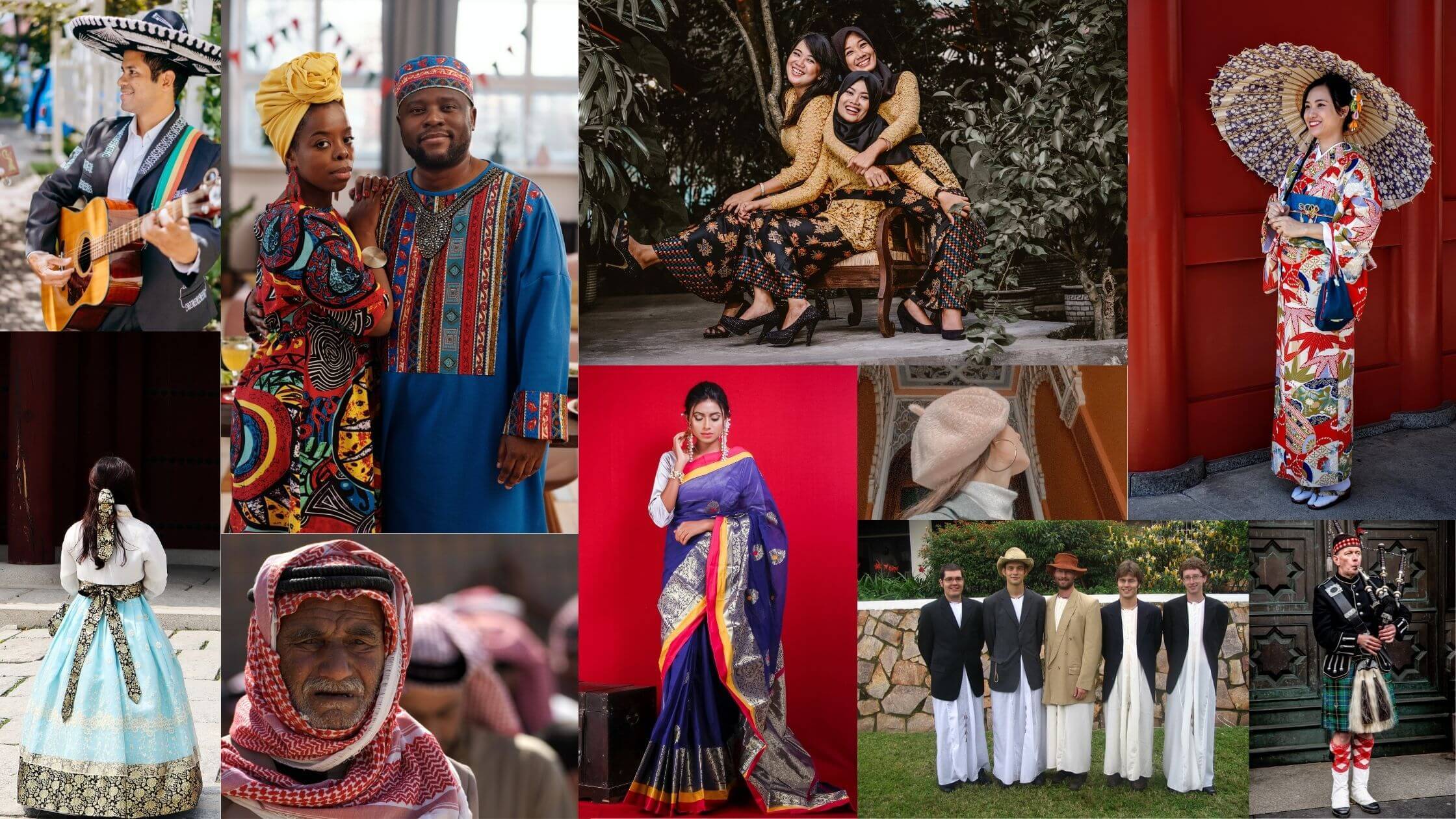
Cultural identity strongly influences clothing standards. In some regions, pants styles introduced from outside cultures are viewed with suspicion. Tight fits, ripped designs, or unconventional cuts may be labeled inappropriate because they conflict with traditional values.
Cultural resistance to certain pants styles is often strongest during periods of rapid change. When societies feel their traditions are threatened, clothing becomes a visible way to assert identity. Over time, younger generations may reinterpret these traditions, leading to gradual shifts in acceptance.
Political Power and Clothing Control
Governments have frequently used clothing regulations to project authority and maintain social discipline. Pants styles can become political symbols, representing conformity or resistance. In some historical periods, regimes enforced strict dress codes to align citizens with ideological values.
Political restrictions on clothing often change with leadership and social movements. While some bans are relaxed over time, others persist due to their symbolic importance. Clothing control, in these cases, serves as a tool for shaping public behavior rather than addressing practical concerns.
Schools, Workplaces, and Institutional Rules
Modern restrictions on pants are most commonly found in institutions. Schools may regulate pants length or fit to promote discipline, while workplaces often enforce dress codes to maintain professionalism. Although these rules are usually presented as neutral, they can affect individuals differently based on gender, body type, or cultural background.
Debates around institutional dress codes focus on fairness and relevance. Supporters argue that rules create order, while critics claim they reinforce outdated norms. These discussions highlight the evolving nature of clothing expectations in professional and educational environments.
Psychological and Social Effects of Restrictions
Restrictions on clothing can shape self-expression and confidence. When individuals feel judged or limited by what they wear, it can impact their sense of identity. Social stigma associated with wearing certain pants styles may discourage participation in public spaces or professional opportunities.
At the same time, challenging restrictive norms has often been a catalyst for social change. Individuals who question why specific garments are discouraged contribute to broader conversations about freedom, equality, and cultural adaptation.

Modern Global Influence on Clothing Norms
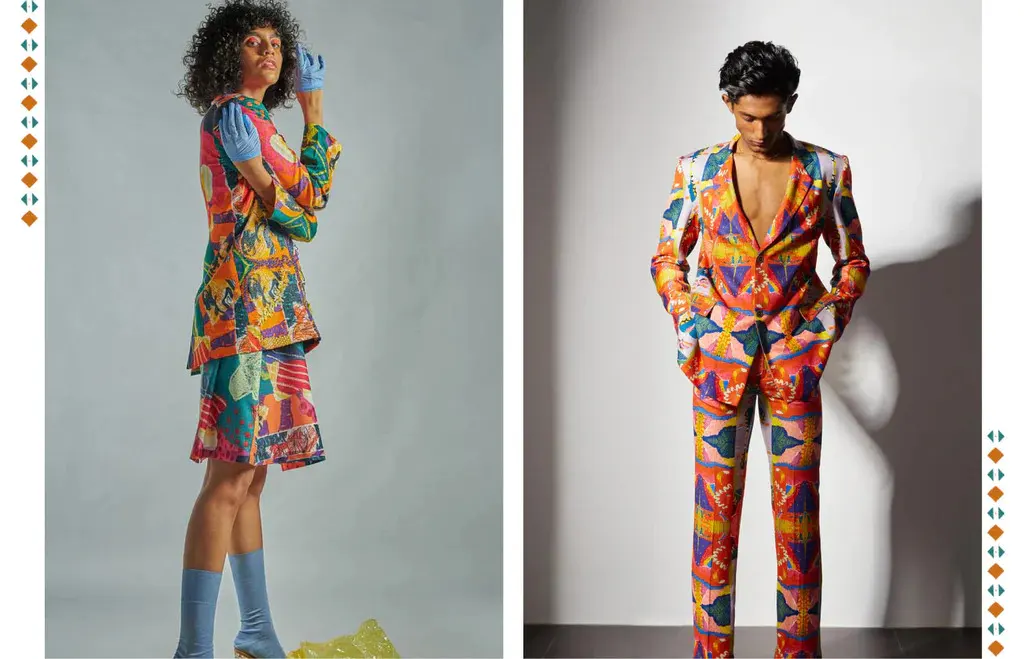
Globalization and digital media have dramatically altered fashion perceptions. Exposure to international trends has normalized pants styles that were once considered inappropriate. Urban areas, in particular, tend to adopt new fashions more quickly due to cultural diversity.
Despite this shift, acceptance remains uneven. Traditional expectations continue to influence clothing choices in conservative communities and formal settings. This coexistence of old and new norms reflects the complex relationship between heritage and modernization.
Legal Perspectives and Personal Freedom
From a legal standpoint, clothing restrictions intersect with rights related to expression and equality. Courts in various countries have addressed cases involving dress codes, evaluating whether restrictions serve legitimate purposes or unfairly discriminate.
While laws rarely target pants directly today, broader clothing policies still raise legal questions. The balance between institutional authority and personal freedom remains a topic of ongoing debate, especially as societies become more diverse.
Symbolism of Pants in Contemporary Society
Pants today carry layered meanings. They can represent professionalism, independence, rebellion, or cultural belonging depending on context. This symbolic weight explains why debates over clothing persist even when practical concerns are minimal.
Understanding these meanings helps explain why forbidden pants remain a relevant topic. The discussion is less about fabric and more about values, identity, and social boundaries.



Future Trends in Clothing Acceptance
Looking ahead, clothing norms are likely to continue evolving. Increased awareness of inclusivity is pushing institutions to reconsider rigid dress codes. At the same time, some communities will preserve traditional standards as expressions of cultural pride.
The future will likely involve negotiation rather than elimination of restrictions. Respectful dialogue and cultural understanding will shape how societies balance tradition with individual choice.
Frequently Asked Questions
What does forbidden pants mean?
It refers to pants that are restricted or discouraged due to cultural, religious, social, or institutional norms.
Are pants still restricted today?
In many places restrictions are limited, but certain schools, workplaces, and communities still enforce dress guidelines.
Why were pants controversial historically?
They challenged established gender roles and social hierarchies.
Do clothing restrictions affect personal freedom?
They can influence self-expression and social participation, especially when enforced strictly.
Will clothing restrictions disappear completely?
They are more likely to evolve rather than disappear, adapting to social change.

Data Lake Security: Using Engineering Services to Keep Your Data Safe

Bison Kaalamaadan Review: When a Sports Film Becomes a Portrait of Caste, Rage, and Survival

Quiet Luxury: How Thoughtful Storage Elements Elevate the Status of a Wardrobe

Forbidden Pants: How Clothing Restrictions Shape Culture, Identity, and Society

Coquette Nails: The Rise of Soft Romance in Modern Nail Art

777 Angel Number Meaning: A Complete and In-Depth Guide

Sunday Kalogeras: TikTok Star, Biography, Age, Family, Career & Digital Success

Low Maintenance Short Layered Haircuts: The Complete Informative Guide for Easy Everyday Styling

White Nails: Health, Causes, Science, and Long-Term Nail Care Explained

January Nail Colors: A Complete Guide to Seasonal, Stylish, and Timeless Manicures
Data Lake Security: Using Engineering Services to Keep Your Data Safe
Bison Kaalamaadan Review: When a Sports Film Becomes a Portrait of Caste, Rage, and Survival
Quiet Luxury: How Thoughtful Storage Elements Elevate the Status of a Wardrobe
Forbidden Pants: How Clothing Restrictions Shape Culture, Identity, and Society
Coquette Nails: The Rise of Soft Romance in Modern Nail Art
777 Angel Number Meaning: A Complete and In-Depth Guide
Sunday Kalogeras: TikTok Star, Biography, Age, Family, Career & Digital Success
Low Maintenance Short Layered Haircuts: The Complete Informative Guide for Easy Everyday Styling
White Nails: Health, Causes, Science, and Long-Term Nail Care Explained
January Nail Colors: A Complete Guide to Seasonal, Stylish, and Timeless Manicures
-
 Entertainment1 month ago
Bison Kaalamaadan Review: When a Sports Film Becomes a Portrait of Caste, Rage, and Survival
-
 Lifestyle2 months ago
Quiet Luxury: How Thoughtful Storage Elements Elevate the Status of a Wardrobe
-
 Security2 weeks ago
Data Lake Security: Using Engineering Services to Keep Your Data Safe
-
 Tech5 months ago
Preply Login: A Complete Guide for Students and Tutors